

Why Menopause Bloating and IBS-C Happen (And Why You’re Not Imagining It)
I remember the first time I bought high-waisted compression shorts. I did not buy them because I wanted to. I bought them because my menopause bloating had become part of how I dressed, how I stood, and how I thought about my body.
And I decided to embrace them instead of fighting them. They exist for a reason. My body had changed, and I had a choice: fight it every morning in front of the mirror or work with it.
If you’re in menopause and your belly suddenly feels tighter, fuller, or more unpredictable by 3pm, you are not imagining it. Let’s break this down.

My Gut Story Didn’t Start With Menopause
Lactose Intolerance at 18
I was diagnosed with lactose intolerance at 18. While my friends ordered milkshakes and cheesy pizza without thinking twice, I was already explaining why I couldn’t at every outing. I became “the one who can’t have dairy” and it was such a new concept in the early 1990’s. Many people didn’t understand it.
Looking back, that was the first sign my digestion was going to require more attention than most people’s.
Years of IBS-D and Food Fear
Then came years of IBS with diarrhea. I avoided salads before meals because I never knew if they would trigger urgency. I chose carb-heavy foods because they felt safer. I turned down dinner invitations.
Traveling meant packing every medication I could find, just in case, and knowing where every clean bathroom was located. I even remember crying when I found a website that described IBS perfectly. For the first time, I had a name for what I was experiencing. It was not in my head.
Fast forward to menopause, and my digestion changed again.

Why Menopause Changes Your Digestion
The Estrogen and Progesterone Shift
Menopause affects digestion more than most women realize. It is not just hot flashes and sleep disruption. The hormonal shifts have a direct impact on how your gut functions.
Estrogen and progesterone influence gut motility, which is how quickly food moves through your digestive system. As these hormones decline:
- digestion slows down
- Constipation becomes more frequent
- Gas lingers longer
- Bloating increases
Research continues to explore the gut-hormone connection, and organizations like the North American Menopause Society recognize that digestive symptoms shift during menopause.
From IBS-D to IBS-C: A Common Transition
I was confused when my IBS shifted from diarrhea to constipation. I had not changed my diet much. But hormonal shifts slow intestinal contractions, alter gut bacteria balance, and affect pelvic floor muscles. The result is that IBS-C becomes more common after 50.
There was relief in not worrying about sudden urgency anymore. But the bloating got worse.

Why Menopause Bloating Feels Worse
Slower Transit and Gas Build-Up
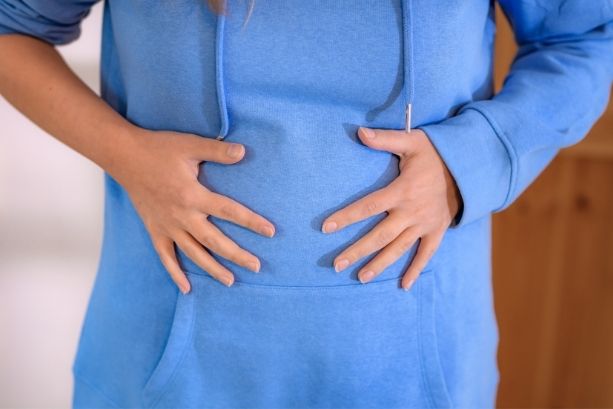
When digestion slows, food stays in the gut longer. That means more fermentation and more gas production. The longer stool sits in the colon, the more pressure builds. By afternoon, the menopause bloating and your jeans feel tighter. By evening, you may look six months pregnant. That is not your imagination; That is physiology.
Fiber Confusion After 50
Fiber becomes a focal point after 50, but not all fiber works the same way.
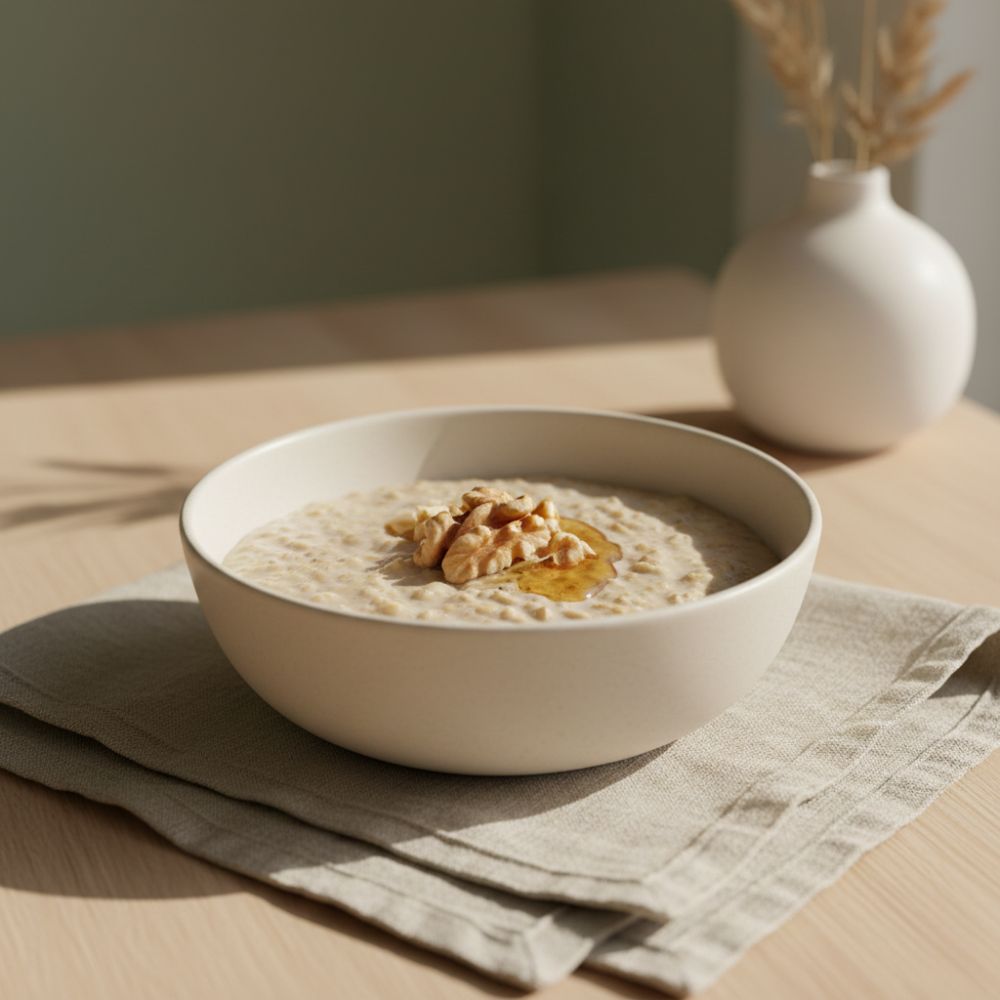
- Soluble fiber like oats and chia seeds supports stool consistency gently.
- Insoluble fiber like raw bran worsens bloating if you increase it too quickly.
The key is making slow, steady changes to your diet and keeping an eye on how you feel afterwards.
Body Image and Confidence Changes
Menopause bloating does not just affect digestion. It affects how you dress, how you feel in your clothes, and how you move through the day.
Yes, I still occasionally save those “flat stomach” Reels. Have I ever had one? No. But one can dream, right? Then I remind myself that my goal is not perfection. My goal is comfort and confidence.
The Overwhelm of Conflicting Gut Advice
If you have Googled, “Menopause Bloating”, you have seen contradictory advice everywhere:
- Eat more fiber
- Avoid fiber
- Go dairy-free
- Try probiotics
- Cut carbs.
It is exhausting.
More Fiber? Less Fiber?
Too much fiber too fast worsens IBS-C symptoms. Too little fiber slows things further. Context matters.
Dairy-Free Isn’t Always the Whole Answer
I was already dairy-free, and that did not prevent my menopause bloating. Sometimes layering restriction on restriction just increases stress, and stress affects digestion directly and causes more problems.
Supplements and the Fix-It Trap
It is easy to get to the point where you panic-buy probiotics and magnesium supplements. Here is some advice: Trial and error is okay, Giving up is not.
But extreme, rapid changes rarely help sensitive digestive systems.

What Helped Me
This was not a miracle fix. It was gradual.
Slow Fiber Adjustments
I added small amounts of soluble fiber slowly, not dramatically.
Eating with Intention
I started eating with more intention:
- Slowing down meals
- Chewing thoroughly
- Managing stress
The gut and nervous system are deeply connected.

Acceptance Without Giving Up
Compression shorts did not mean defeat. They meant adaptation. I do not have everything figured out, but I have learned enough to know that calm, steady adjustments beat drastic overhauls every time.
A Simple Starting Point If You’re Overwhelmed
If you are unsure where to begin, start here:
- Increase fiber slowly.
- Stay hydrated.
- Avoid cutting multiple food groups at once.
- Track symptoms gently.
- Talk with a qualified provider if needed.
My last piece of advice: Start small. Consistency beats intensity.

You’re Not Alone
If you’re standing in front of the mirror wondering how your belly changed so much in a few hours…
I know how you feel. I’ve been there.
Menopause bloating and IBS-C are real. You’re not imagining it. And your body isn’t broken. It’s adapting to a new chapter.
At Better Belly Co., this is a safe place to navigate those changes calmly, together.
Learn more about me, the creator of Better Belly Co here.
Ready to Fast-Track Your Relief?
If you’re feeling overwhelmed by where to start, or if your IBS and menopause bloating feel like they need a dedicated “intervention,” I’ve created something specifically for you.
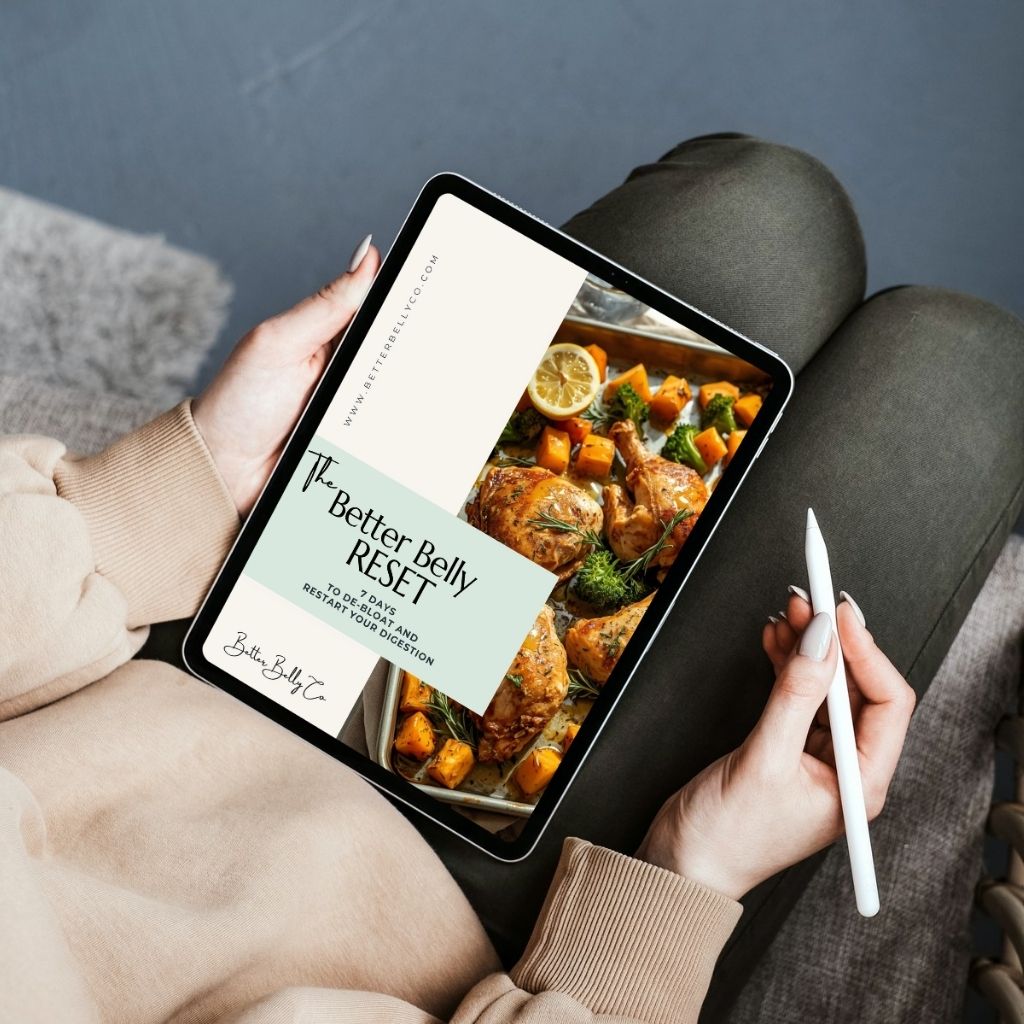
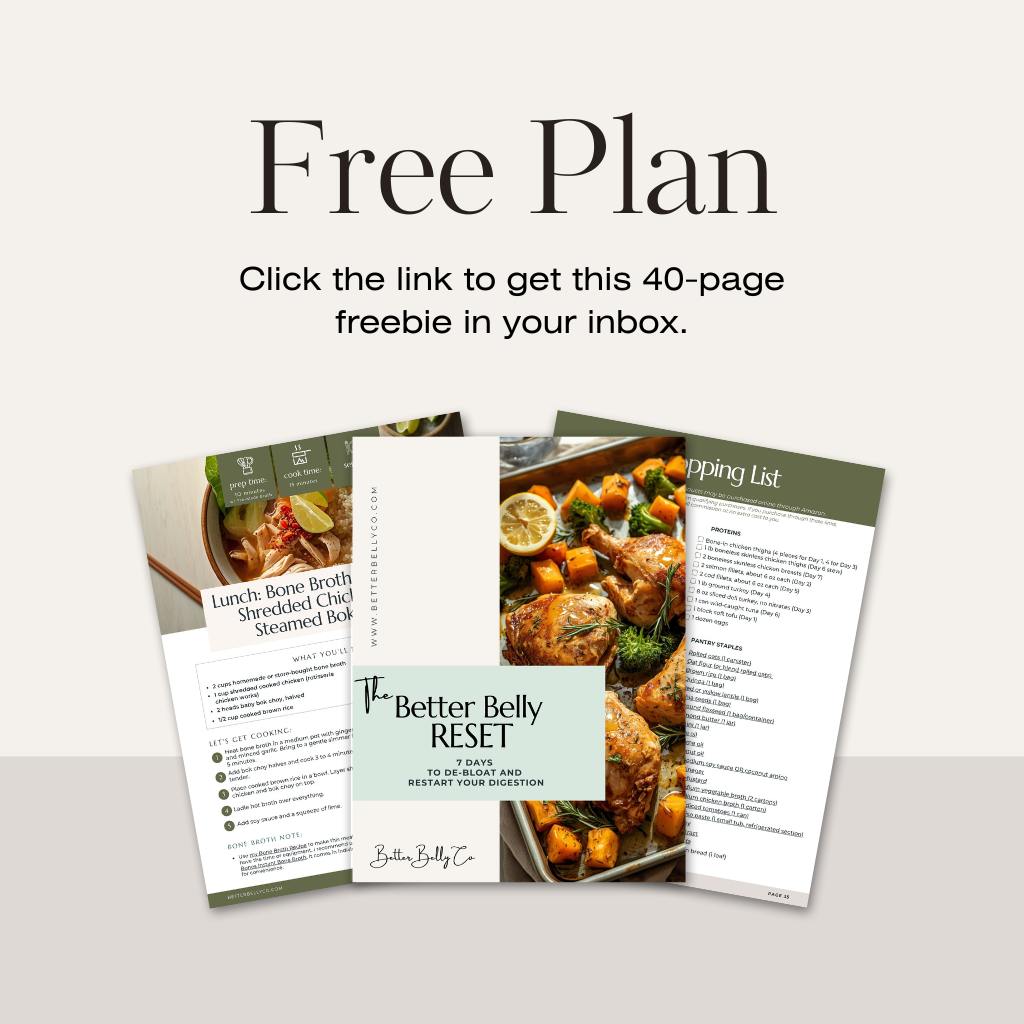
I’ve taken everything I’ve learned from my own journey and the science behind Better Belly Co. to create “The Better Belly Reset: 7 Days to De-Bloat and Restart Your Digestion.“
Inside this FREE PLAN, I’ll show you:
- The exact 7-day meal plan designed to be gentle on the gut and high in bloat-busting minerals.
- The “Better Belly” List: A belly-friendly grocery guide focused on low-FODMAP, high-mineral foods.
- The “Gut-Hormone” morning ritual to kickstart motility before your first cup of coffee.
Click here to download The Better Belly Reset for free and let’s get you back to feeling like yourself again.
You’ve got this. We’ve got this. And I’ll be with you every step of the 7-day way.
Remember: Trial and error is okay. Giving up is not.

P.S – If this resonated with you, send me an email and tell me what you’re navigating at this moment. I personally read every message.

Frequently Asked Questions:
Why did my IBS change during menopause?
Hormonal shifts slow digestion, making constipation more common.
Is bloating worse in perimenopause?
Yes. Fluctuating hormones increase water retention and gut sensitivity.
Do hormones cause constipation?
Absolutely. Estrogen and progesterone influence gut motility.
Does fiber help IBS-C?
Yes, but the type and amount matter. Increase gradually.
Should I eliminate dairy?
If you are lactose intolerant, yes. But removing more foods unnecessarily increases stress.
Is this just aging?
It is partly hormonal, partly lifestyle, and partly gut changes. But it is manageable.

Jacqueline Ramirez
I help women in perimenopause and menopause navigate gut health with clarity and confidence. Through simple, gut‑safe food systems and real‑life guidance, I make eating feel calmer and more manageable again.